The portfolio of projects for 2025/2026 places digitalization at the forefront of the University of Blida 2’s priorities for 2027
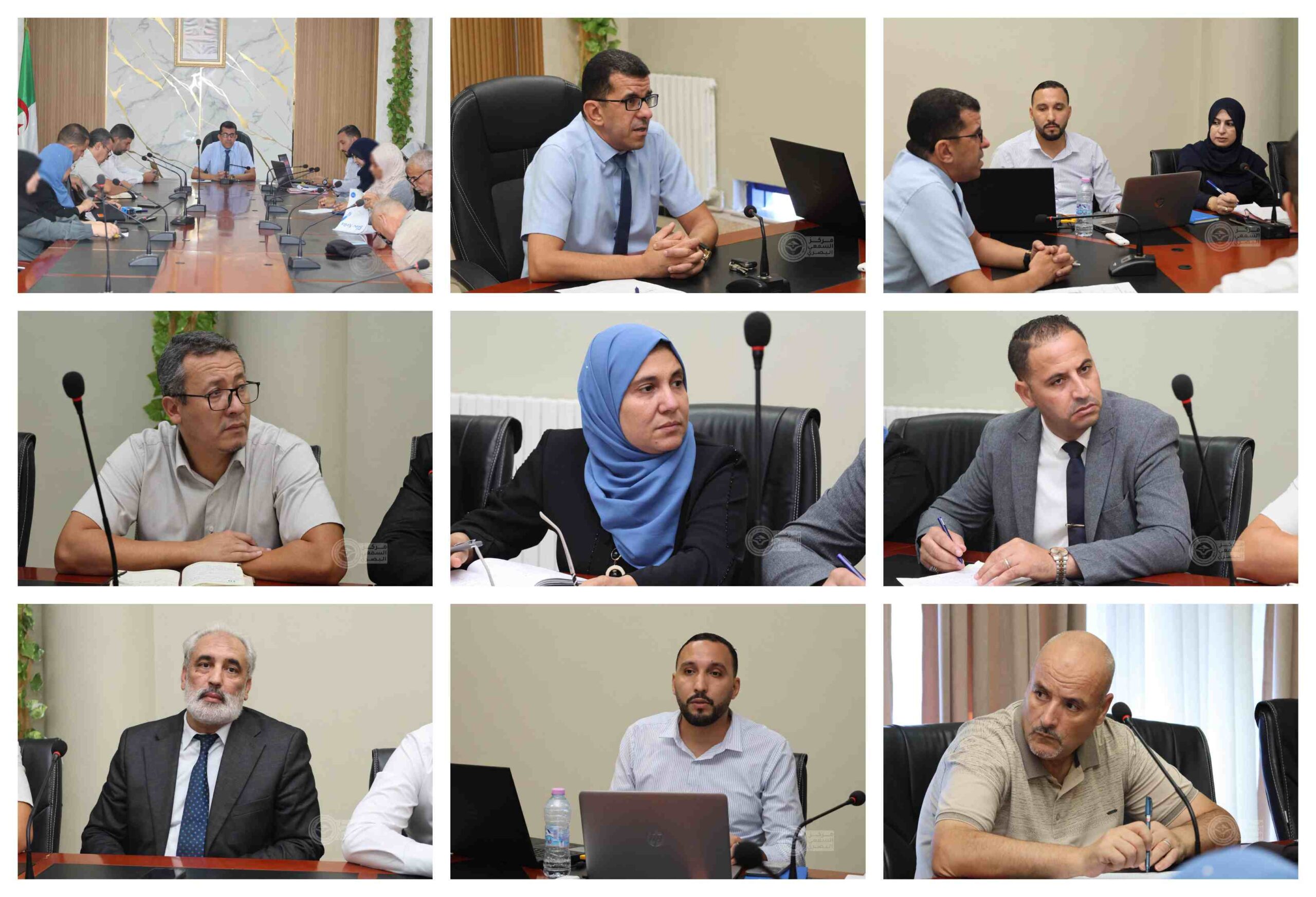
The Digitalization Strategy Office at the University of Blida 2 held a meeting today, opened by the University Rector, Professor Bachir Ameur, and chaired by the Office Director, Dr. Gasmi ElHasni Abdelmadjid. The meeting was devoted to reviewing a series of digital projects aimed at modernizing pedagogical and administrative management and strengthening the university’s scientific visibility. The agenda covered several key items, chiefly the scientific publications declaration platform, the automated system for managing Master’s theses (designed for program coordinators), and the Blida 2 Digital Portal.
At the start of the proceedings, attendees presented a detailed review of the Office’s projects for the 2025/2026 academic year, followed by a presentation of concepts for prototypes of the proposed platforms. The discussion addressed the feasibility of these prototypes and the steps for implementing them within a phased vision spanning the short, medium, and long term, ensuring a methodical transition from the design stage to actual deployment.
In his address, Professor Bachir Ameur stressed that « digitalization is no longer a secondary option, but has become a key lever for improving the quality of university services and strengthening transparency and efficiency in management. » He called for accelerating the implementation of these projects according to a clear timeline, with the involvement of all stakeholders, so that these platforms serve the university’s scientific image at both the national and international levels.
For his part, Dr. Gasmi El Hasni explained that « the Office is working to build an integrated digital ecosystem that links pedagogical management, scientific research, and institutional communication, based on solutions that respond to the university’s real field needs. » He added that the prototypes presented represent a solid foundation for a gradual transition toward workable projects, relying on continuous evaluation and user feedback.